

Teenage life rarely looks calm from the outside. There are deadlines, friendships, exams, screens, expectations, and the constant sense of becoming someone new. Because emotional intensity is so common during adolescence, anxiety often blends into the background.
Yet for many families, anxiety does not arrive as a sudden crisis. It appears quietly. A teenager who once enjoyed school begins to dread mornings. Sleep becomes restless. Small worries grow heavier. Conversations shorten. Nothing seems dramatic, yet something feels different.
This is why many parents, carers, and educators ask a careful question: how to recognise early signs of anxiety disorders in teenagers before distress becomes overwhelming or deeply rooted.
This article explores that question through observation, research, and lived patterns. It does not seek to label normal teenage emotions as illness. Instead, it focuses on understanding when anxiety moves beyond everyday stress and begins to interfere with a young person’s well-being.
Anxiety is a natural part of human development. For teenagers, it often accompanies growth, independence, and uncertainty. Exams, friendships, body changes, and future plans all bring stress.
However, anxiety disorders differ from temporary stress in three key ways. They persist. They intensify. And they begin to limit daily functioning.
According to the World Health Organization, anxiety disorders are among the most common mental health conditions in adolescents worldwide. Research suggests symptoms often begin years before they are clearly identified.
What makes early anxiety hard to spot is that teenagers rarely describe it directly. Instead of saying “I feel anxious,” they may say “I’m tired,” “I don’t care,” or nothing at all.
Recognizing anxiety early means learning to notice patterns rather than isolated moments.
Mood changes are expected in adolescence. Yet anxiety tends to create specific emotional patterns that differ from typical teenage ups and downs.
A teen with emerging anxiety may appear constantly tense, easily overwhelmed, or unusually irritable. Small setbacks can feel unbearable. Emotional reactions may seem intense or unpredictable.
Some teenagers become emotionally flat. Others seek reassurance repeatedly, needing constant confirmation that things will be okay.
Research summarized by Harvard Health suggests that chronic worry, emotional reactivity, and difficulty calming down are common early features of anxiety disorders in young people.
These shifts often confuse adults because they do not match stereotypes of fear or panic. Anxiety frequently hides behind frustration or withdrawal.
Behavior often changes before emotions are openly expressed. Teenagers may not understand what they are feeling, but their actions reveal it.
One of the clearest early signs is avoidance. A teenager may begin avoiding school, social events, or activities they once enjoyed. Avoidance provides short-term relief, which reinforces anxiety over time.
Other behavioral changes may include:
Studies published in PubMed highlight avoidance as a central mechanism in anxiety disorders. The more a teen avoids discomfort, the stronger anxiety becomes.
Understanding avoidance as fear-based rather than defiant changes how adults respond.
Teen anxiety often shows up in the body first. Many teenagers experience physical discomfort long before they connect it to emotional stress.
Common anxiety-related physical symptoms include headaches, stomach pain, nausea, muscle tension, and unexplained fatigue. Medical tests often show no underlying illness.
Research suggests that anxiety activates stress pathways that affect digestion, sleep, and pain sensitivity. The body reacts as if danger is present, even when it is not.
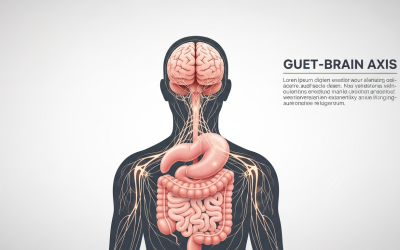
For families curious about this connection, Gangchil’s article on how gut health affects mental wellness in children explains why emotional stress frequently appears as physical symptoms during development.
When physical complaints repeat alongside emotional or behavioral changes, anxiety may be playing a role.
Sleep is one of the first systems affected by anxiety. Teenagers may struggle to fall asleep due to racing thoughts, wake frequently, or sleep excessively as a form of escape.
Changes in appetite often follow. Some teens lose interest in food. Others snack constantly to self-soothe.
Daily routines may become rigid or chaotic. A teen may insist on strict schedules to feel safe or abandon structure entirely due to overwhelm.
Research indicates that disrupted sleep and irregular routines not only reflect anxiety but also worsen it. This creates a cycle that quietly deepens over time.
Paying attention to sleep patterns often provides early clues adults might otherwise miss.
Academic anxiety is one of the most common yet overlooked forms of teenage anxiety. It does not always look like poor performance.
Some teens respond to anxiety by overworking. Perfectionism, fear of mistakes, and constant self-criticism may mask deep worry. Others disengage completely, avoiding assignments or school attendance to escape pressure.
Teachers may notice declining participation, unfinished work, or increased absences. Parents may hear frequent complaints of feeling sick on school days.
Research suggests that performance-based anxiety often begins subtly and intensifies when emotional support is lacking.
Understanding that school avoidance often reflects fear, not lack of motivation, allows for more compassionate intervention.
Social anxiety in teenagers rarely appears dramatic. Instead, it often looks like silence.
A teen may avoid speaking in class, resist social invitations, or become intensely self-conscious. Online interaction may feel safer than face-to-face conversation.
According to Mayo Clinic, social anxiety often begins in adolescence and may go unnoticed because teens fear embarrassment or judgment if they speak up.
It is important to distinguish social anxiety from introversion. Introverted teens may prefer solitude without distress. Socially anxious teens want connection but feel trapped by fear.
Listening carefully to how a teen describes social situations can reveal the difference.
Teenagers with anxiety often struggle to regulate emotions. Their nervous systems remain on high alert, making emotional balance harder to maintain.
Small challenges may trigger strong reactions such as tears, anger, shutdown, or panic-like responses. These reactions may seem confusing or excessive to adults.
Research suggests anxiety heightens emotional sensitivity by keeping the brain in threat-detection mode.
Not every stressed teenager develops an anxiety disorder. However, certain factors increase vulnerability.
These may include family history of anxiety, chronic academic or social pressure, major life changes, trauma, perfectionism, prolonged screen exposure, and lack of restorative rest.
Research emphasizes that anxiety arises from a combination of biological sensitivity and environmental stress. It is not caused by weak character or poor parenting.
Recognizing risk factors helps adults remain observant without becoming fearful or intrusive.
Early response does not require diagnosis or confrontation. It begins with presence, curiosity, and emotional safety.
Helpful early steps include listening without minimizing feelings, observing patterns over time, and keeping communication open without pressure. Predictable routines and calm responses provide nervous system stability.
Asking gentle, open-ended questions often works better than direct ones. Silence, when respectful, can also invite sharing.
For families interested in whole-life approaches, Gangchil’s article on natural lifestyle practices that support family wellness connects emotional balance with daily habits.
When teenagers feel understood rather than judged, they are more likely to accept support.
Professional support becomes important when anxiety persists, worsens, or interferes with daily life such as school, sleep, or relationships.
Mental health professionals can help assess symptoms, teach coping strategies, and support families with evidence-based care.
Research consistently shows that early intervention improves long-term outcomes for adolescent anxiety disorders.
Seeking support is not a sign of failure. It is a practical step toward well-being.
Small daily practices can make a meaningful difference.
Families may consider:
These practices support nervous system regulation and emotional resilience over time.
Is anxiety common in teenagers?
Yes. Anxiety is one of the most common mental health challenges during adolescence.
How can anxiety differ from normal stress?
Anxiety persists, intensifies, and interferes with daily functioning.
Can anxiety show up as anger or withdrawal?
Yes. Anxiety often appears as irritability, avoidance, or emotional shutdown.
Should parents wait before seeking help?
If symptoms last several weeks or disrupt daily life, early guidance is recommended.
Do lifestyle changes really help anxious teens?
For many teens, sleep, routine, movement, and emotional support significantly reduce symptoms.
Learning how to recognize early signs of anxiety disorders in teenagers is less about watching closely and more about listening deeply.
Teenagers often express distress indirectly. Through behavior. Through silence. Through physical discomfort.
When adults respond with patience and understanding, anxiety becomes less frightening to acknowledge and easier to address.
If this article reflects something you have observed, consider sharing your thoughts or experiences in the comments. Your voice may help another family feel less alone.
Posted 6:42 pm | Tuesday, 10 February 2026
| nm